- The Nimitz Report
- Posts
- Breaking Down the VA Home Loan Hearing: Affordability, Access, and Reform
Breaking Down the VA Home Loan Hearing: Affordability, Access, and Reform
Members and witnesses discussed practical steps to reduce barriers, improve efficiency, and ensure veterans can compete in today’s housing market.
⚡NIMITZ NEWS FLASH⚡
“Kitchen Table Issues: Lowering Costs for Veteran Families Through the VA Home Loan Program”
House Veterans Affairs Committee, Economic Opportunity Subcommittee Hearing
March 26, 2026 (recording here)
HEARING INFORMATION
Witnesses & Written Testimony (linked) (Panel One):
Mr. Patrick Zondervan: Executive Director, Loan Guaranty Service, Veterans Benefits Administration, U.S. Department of Veterans Affairs
Mr. Terry Rouch: Assistant Director for Loan Policy and Valuation, Loan Guaranty Service, Veterans Benefits Administration, U.S. Department of Veterans Affairs
Witnesses & Written Testimony (linked) (Panel Two):
Mr. Owen Lee: Co-Owner & Chief Executive Officer, 2026 MBA Chair-Elect, Mortgage Bankers Association
Mr. Kurt Thompson: Owner & Broker of RE/MAX, Executive Committee Member, National Association of Realtors
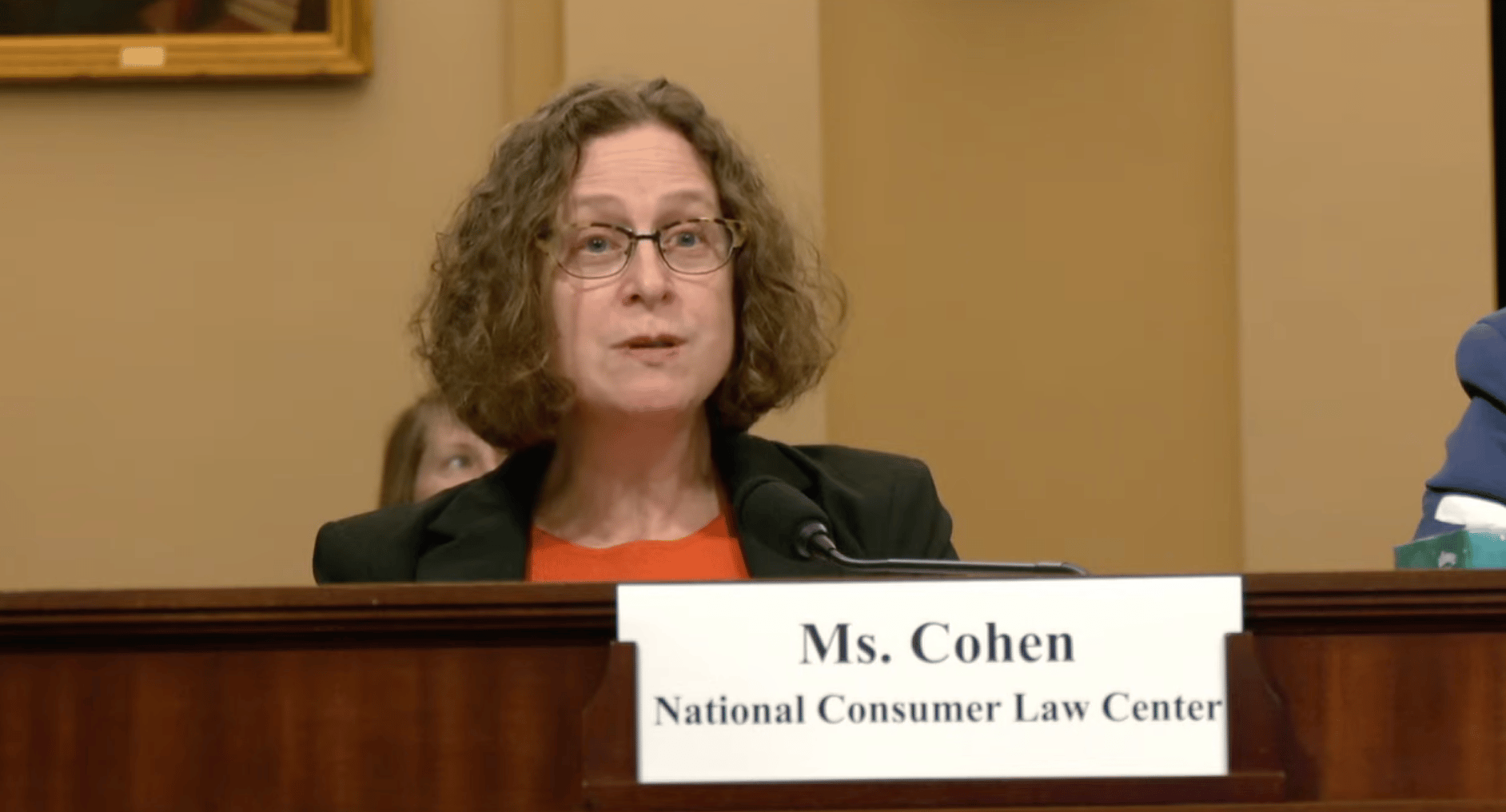
Ms. Alys Cohen: Director of Federal Housing Advocacy, National Consumer Law Center
TOP-LINES TO SHOW YOU ARE IN THE KNOW
The hearing reinforced that the main challenge for veterans right now is not the VA loan program itself, but the broader housing market and lack of available homes.
There was bipartisan agreement that the VA Home Loan Program remains one of the strongest benefits, but it needs updates to keep pace with today’s market.
Members focused on reducing barriers in the program, especially around appraisals and fees, to make VA loans more competitive for buyers.
There was real concern about the gap between the end of the VASP program and the rollout of the new partial claims option, particularly for veterans facing foreclosure in the meantime.
Witnesses made clear that improving affordability will ultimately depend on increasing housing supply, not just changes within the VA program itself.
PARTY LINE PERSPECTIVES
Republicans 🐘 Centered on streamlining the VA Home Loan Program by reducing regulatory barriers, modernizing appraisals, and improving program efficiency to better compete in today’s housing market. | Democrats 🫏 Underscored that veterans’ housing challenges are part of a broader affordability crisis and argued that real solutions will require increasing housing supply and taking a whole-of-government approach. |
OPENING STATEMENTS FROM THE SUBCOMMITTEE
Chairman Derrick Van Orden discussed the importance of improving affordability and modernizing the VA Home Loan Program to help veterans achieve homeownership. He outlined the program’s historical success, pointing to its widespread use and impact since the 1940s, and described it as one of the government’s most effective benefits. He referenced recent legislative efforts, including reforms to foreclosure mitigation and ongoing work to streamline appraisal requirements and reduce administrative barriers. Chairman Van Orden upheld the need to eliminate unnecessary bureaucracy and ensure the program remains competitive and effective in today’s housing market.
Ranking Member Chris Pappas expressed appreciation for the bipartisan focus of the hearing and underscored the VA Home Loan Program as a critical benefit, especially amid a national housing affordability crisis. He argued that rising costs across essentials were limiting veterans’ ability to afford housing and acknowledged that affordability concerns were widespread and significant. He cautioned against focusing solely on minor program adjustments, noting that many cost drivers fall outside the Committee’s control and require a broader, whole-of-government response. The Ranking Member advocated for comprehensive housing policies to reduce costs, expand supply, and improve access for veterans and all Americans.
SUMMARY OF KEY POINTS (PANEL ONE)
Mr. Patrick Zondervan testified that the VA Home Loan Program is a vital earned benefit that enables veterans to obtain and maintain stable housing, drawing on both his professional role and personal experience as a user of the program. He articulated key advantages of the program, including no down payment, limits on fees, lower interest rates, and exemptions for disabled veterans, emphasizing its affordability benefits. He acknowledged ongoing challenges with housing affordability due to broader market conditions, while detailing VA efforts to modernize systems, improve automation, and enhance access to tools like certificates of eligibility. Mr. Zondervan also addressed misconceptions about the appraisal process and highlighted recent steps to streamline requirements.
Ranking Member Pappas asked whether the VA Home Loan Program performed better than comparable federal programs and whether its stronger protections contributed to that performance. Mr. Zondervan responded that protections for veterans were essential, but mentioned that some minimum property requirements could be removed without compromising safety. When asked for examples, Mr. Terry Rouch explained that certain cosmetic requirements, such as chipped paint or handrails, could be adjusted while maintaining core safety, soundness, and sanitation standards.
The Ranking Member then questioned the effectiveness of the VA Servicing Purchase (VASP) program in preventing foreclosures and lowering foreclosure rates. Mr. Zondervan acknowledged that the program had provided options to help veterans avoid foreclosure before it was ended and underscored that the VA was now focused on implementing the partial claims program. He added that, in the interim, alternatives such as forbearance and loan modifications remained available to assist veterans.
Ranking Member Pappas pressed for a timeline on the rollout of the partial claims program and asked how stakeholder feedback was being incorporated. Mr. Zondervan stated that the VA aimed to make the program available by June and that the agency had received over 800 pieces of feedback through a drafting process. He indicated that the VA was working through that input while maintaining the projected timeline.
Rep. Abe Hamadeh asked how the VA was addressing lender practices that added fees beyond the 1% origination cap, which he described as “fee stacking.” Mr. Zondervan responded that the VA monitored data, reviewed complaints, and required lenders to reimburse veterans if improper fees were identified. He explained that the VA conducted full loan file reviews and enforced repayment when overcharges occurred.
Rep. Hamadeh questioned whether the VA supported increasing the seller concession cap from 4% to 6% to align with Federal Housing Administration (FHA) and United States Department of Agriculture (USDA) standards. Mr. Zondervan replied that higher concessions could lead to increased home prices and potentially harm affordability, though the VA was open to reviewing the issue with the Committee. He emphasized that any change would need to ensure long-term protection for veterans.
Rep. Hamadeh then asked whether the VA would reduce appraiser experience requirements to address shortages and high costs. Mr. Zondervan said that the VA was willing to consider reducing requirements while maintaining quality standards and noted that modernization efforts could support that balance. He indicated that the VA was actively evaluating how to expand the appraiser pipeline.
Rep. Kimberlyn King Hinds asked what steps the VA had taken to modernize the Home Loan Program. Mr. Zondervan described ongoing modernization efforts, including the implementation of Application Programming Interface (API)-driven systems under the “guaranteed remittance” initiative, with phased progress already underway. He added that further improvements would continue after the rollout of the partial claims program.
Rep. King Hinds inquired about the ways in which the VA was working to improve housing affordability and expand awareness of the program, particularly in underserved regions. Mr. Zondervan answered that the program already offered strong benefits and stated that the VA was open to working with Congress on legislative ideas to improve affordability and outreach. He acknowledged that additional proposals from lawmakers would be welcomed for further development.
Chairman Van Orden questioned why the VA required up to five years of experience for appraisers and who set those requirements. Mr. Zondervan agreed that the requirement could be reduced and clarified that he had the authority to make changes and intended to work with staff to shorten the timeline. The Chairman advocated for faster action and underlined the need to reduce unnecessary barriers and delays.
Chairman Van Orden raised concerns about delays in implementing the partial claims program and the risk of veteran foreclosures in the interim. He asked whether the VA could avoid foreclosing on veterans until the program was in place. Mr. Zondervan did not provide a direct commitment in the exchange but acknowledged the concern as part of ongoing discussions.
SUMMARY OF KEY POINTS (PANEL TWO)
Mr. Owen Lee spoke on behalf of the Mortgage Bankers Association (MBA) and illustrated the importance of the VA Home Loan Program in helping veterans achieve homeownership. He highlighted the program’s strengths and shared industry recommendations, including improving the partial claim program, aligning property requirements with other federal standards, and modernizing fee structures and loan processes. Mr. Lee supported recent legislative reforms but urged adjustments to ensure borrowers were not required to accept higher monthly payments before accessing assistance options. He concluded by stressing that funding fees should be reinvested into the program and reaffirmed the MBA’s commitment to improving affordability and efficiency.
Mr. Kurt Thompson, on behalf of the National Association of Realtors, stated that while the VA Home Loan Program was a powerful benefit, housing supply shortages remained a major barrier to affordability. He explained that appraisal issues, closing costs, and seller preferences often disadvantaged veteran buyers in competitive markets. Mr. Thompson recommended aligning VA appraisal standards with other programs, expanding the appraiser pool, and improving the functionality of loan assumptions. He believed that strengthening the program alongside increasing housing supply was essential to improving access for veterans.
Ms. Alys Cohen testified on behalf of the National Consumer Law Center and focused on improving affordability through stronger home retention and hardship assistance programs. She argued that current VA loss mitigation options were less favorable than those available in other federal programs and expressed concern that the proposed partial claim structure could increase monthly payments for struggling veterans. Ms. Cohen urged the VA to prioritize affordability in its program design, delay foreclosures until new options were available, and adopt policies aligned with other federal housing agencies. She underscored that broader affordability challenges were largely market-driven but emphasized that VA policies should protect vulnerable veteran borrowers and stabilize homeownership.
Ranking Member Pappas asked the witnesses to identify the major headwinds facing homebuyers. Mr. Lee and Mr. Thompson said that the primary challenge was a severe housing supply shortage, noting a multi-million unit deficit and slow recovery in construction since the Great Recession. Ms. Cohen agreed but added that high prices and investor activity were also barriers and stressed that maintaining homeownership was as important as access. She reiterated that policies should focus on helping veterans stay in their homes once purchased.
The Ranking Member inquired whether the termination of the VASP program had negatively affected veterans and foreclosure rates. Ms. Cohen responded that the program’s end created a gap in assistance, pushing more veterans toward foreclosure during the transition to the new partial claims program. Mr. Lee did not provide a direct assessment but expressed support for the partial claims program and noted industry readiness to implement it quickly.
Ranking Member Pappas asked how to level the playing field for veteran buyers facing disadvantages in competitive markets. Mr. Thompson replied that increasing seller concession limits and streamlining minimum property requirements would help reduce financial barriers and improve competitiveness. He explained that appraisal risks and property condition requirements often discouraged sellers and put veteran buyers at a disadvantage.
Rep. Hamadeh asked whether automated underwriting would improve VA loan competitiveness and reduce processing time. Mr. Lee stated that automation could speed up approvals, particularly for straightforward loans, and help reduce the perception that VA loans take longer. He added, however, that it was not the primary bottleneck in the process.
Rep. Hamadeh inquired about the stigma against VA loans in competitive housing markets and how to address it. Mr. Thompson claimed that appraisal-related risks and property condition requirements contributed to delays and uncertainty, reinforcing negative perceptions among sellers. He noted that while some sellers still favored veterans, broader program streamlining was needed to reduce friction and improve acceptance.
Chairman Van Orden questioned whether the VA’s proposed partial claim “waterfall” required veterans to accept certain options first. Mr. Lee did not believe the program was mandatory in that way but agreed that adjustments to the structure were needed. He indicated that further discussion with the committee would be beneficial to ensure alignment with legislative intent.
The Chairman raised concerns about preventing foreclosures before the partial claims program was implemented and asked about interim solutions. Ms. Cohen proposed the use of full-pay forbearance as a temporary measure to allow veterans to resume payments and avoid falling further behind. She explained that this approach could help prevent unnecessary foreclosures during the transition period.
Chairman Van Orden asked Ms. Cohen to explain concerns about a potential 15% payment increase under the proposed partial claim structure. Ms. Cohen elaborated that the draft proposal required some borrowers to accept higher monthly payments before accessing more affordable options, which could lead to unaffordable obligations and increased foreclosure risk. She argued that affordability-focused options should be prioritized earlier in the process.
The Chairman then asked about the upfront costs of building a home before construction begins. Mr. Thompson answered that costs could range roughly from $70,000 to $100,000 or more, depending on location and regulatory requirements. He indicated that permitting, fees, and administrative processes significantly contributed to these costs.
JOIN THE NIMITZ NETWORK!
Enjoying our updates? Don’t keep it to yourself — forward this email to friends or colleagues who’d love to stay informed. They can subscribe here to become part of our growing community.